














Rent Agreement in Panchkula: Quick Facts for 2026
| Aspect | Position in Panchkula |
| Governing law | Haryana Urban (Control of Rent and Eviction) Act 1973; Registration Act 1908; Indian Stamp Act 1899, as adopted in Haryana |
| Model Tenancy Act 2021 | Not yet adopted by Haryana |
| Registration for 11 months or less | Optional: the residential norm |
| Registration for 12 months or more | Mandatory under Section 17 of the Registration Act 1908 |
| Stamp duty (up to 5 years) | 1.5% of the total rent for the tenure |
| Stamp duty (5 to 10 years) | 3% of the average annual rent x tenure |
| Registration fee | Calibrated to consideration; typically capped at Rs 15,000 in Panchkula |
| Registration portal | HARIS (Haryana Registration Information System) via Jamabandi Haryana |
| E-stamping payment | e-GRAS Haryana and SHCIL |
| Planning and land authority | HSVP (Haryana Shehri Vikas Pradhikaran), formerly HUDA |
| District | Panchkula |
| Aadhaar-based e-signature | Legally valid under Section 3A of the IT Act 2000 |
| Utility on record | DHBVN (Dakshin Haryana Bijli Vitran Nigam) |
| Typical Panchkula security deposit | 2 to 3 months for residential; higher for IT Park and MNC arrangements |
| Default notice period | 1 month for monthly tenancies |
What is a Rent Agreement in Panchkula?
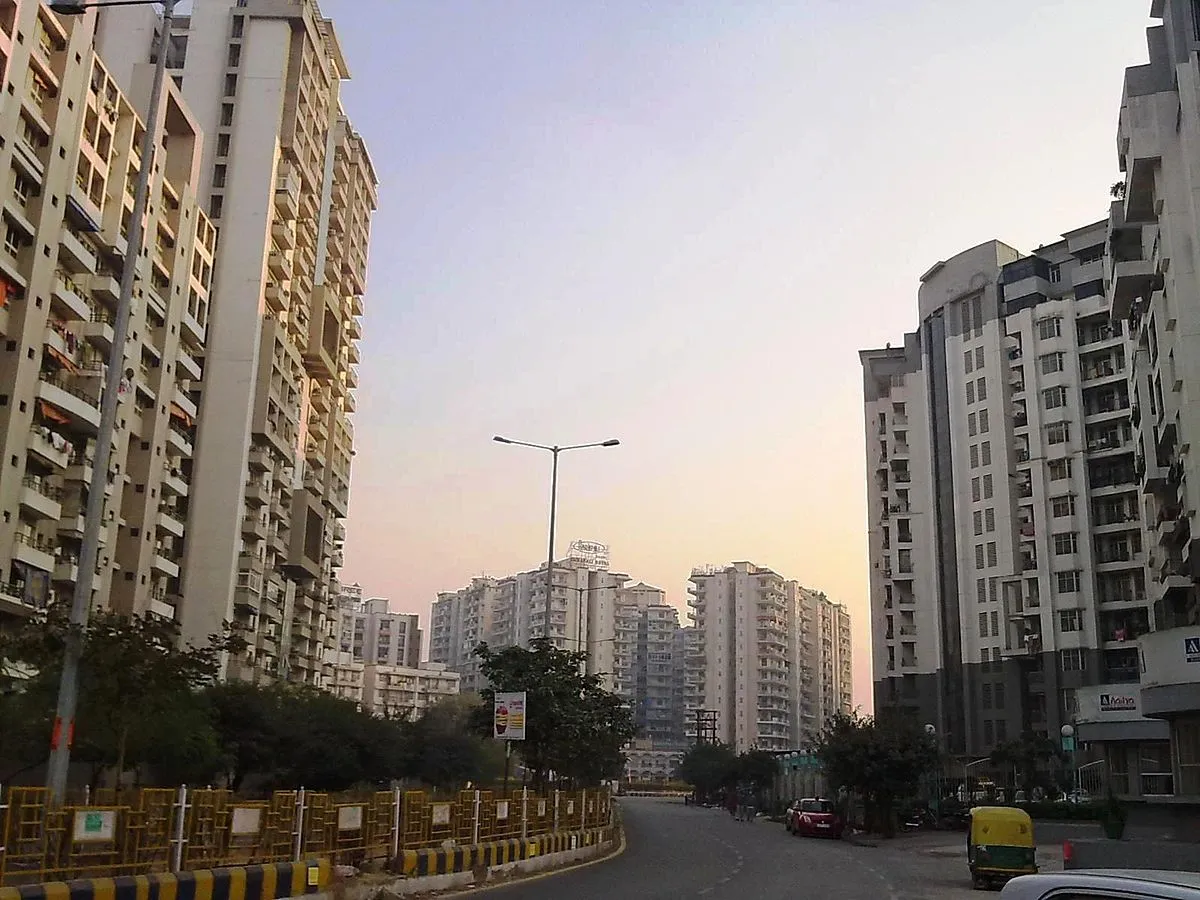
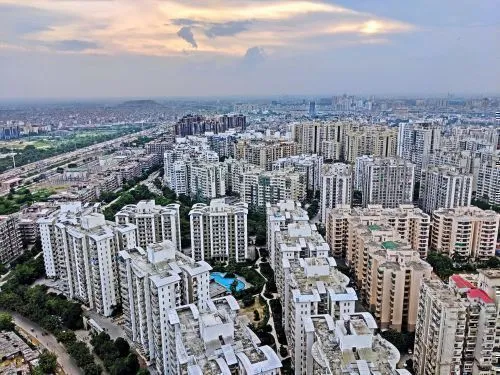
A rent agreement is the written record of a residential or commercial tenancy between a property owner (the lessor) and an occupant (the lessee), fixing rent, deposit, tenure, notice period, maintenance responsibility, and termination conditions. Panchkula’s rental market runs across three overlapping realities: established HSVP residential sectors 1 through 32 that anchor middle-class family tenancies, a PGI-adjacent medical services corridor where residents, nursing staff, and healthcare families take up rentals close to their workplace, and a growing Sector 5 IT Park corporate demand that mirrors Chandigarh’s IT-park spillover.
11-Month Rent Agreement in Panchkula
The residential default. Since the tenure sits under 12 months, Section 17 of the Registration Act 1908 keeps Sub-Registrar registration optional. E-stamping remains mandatory at the Haryana rate.
Long-Term Lease Agreement (12 Months and Above)
Preferred for corporate arrangements at the Sector 5 IT Park, Sector 12A commercial complex, and NRI-owned inventory. Any 12+ month agreement must be registered at the SRO Panchkula. Stamp duty is 1.5% of the total rent for the tenure for leases up to 5 years, plus the value-calibrated registration fee.
Is Rent Agreement Registration Mandatory in Panchkula?
11 months or less is optional; 12 months or above is mandatory under Section 17(1)(d) of the Registration Act 1908.
Optional registration does not mean optional stamping. Every Panchkula rent agreement, however brief, must sit on a correctly valued e-stamp under the Indian Stamp Act as adopted in Haryana. For long leases, delayed registration attracts a penalty under the Haryana practice. Notarisation only witnesses signatures; it does not fulfil either stamping or Sub-Registrar registration.
Stamp Duty and Registration Fees in Panchkula
Haryana applies a straightforward percentage-of-rent formula. Short tenancies get the 1.5% base rate; longer tenancies scale up.
| Component | 11-month agreement | 12+ month registered lease |
| Stamp duty (up to 5 years) | 1.5% of the total rent for the tenure | 1.5% of the total rent for the tenure |
| Stamp duty (5 to 10 years) | Not applicable | 3% of the average annual rent x tenure |
| Registration fee | Not applicable (optional) | Value-calibrated; typically capped at Rs 15,000 |
| E-stamping route | HARIS through SHCIL | HARIS through SHCIL |
| Aadhaar biometric verification | Included in the Housewise plan | Included in the Housewise plan |
A Worked Example
Take a Sector 15 or Sector 20 2BHK let out at Rs 20,000 per month. For an 11-month tenancy, the total rent is Rs 2,20,000. Stamp duty at 1.5% comes to Rs 3,300. Move the same property to a 24-month registered lease at the same monthly rent and total rent for the tenure is Rs 4,80,000, with stamp duty at 1.5% coming to Rs 7,200 plus the value-calibrated registration fee. A Sector 5 IT Park corporate arrangement at Rs 65,000 rent for 36 months scales predictably against the same rate structure.
How to Make an Online Rent Agreement in Panchkula: 7 Steps
- Send the details: Rent, deposit, tenure, property address (with HSVP sector and block), and the parties’ full legal names.
- We draft the agreement: Our Panchkula desk writes clauses that hold up under the Haryana Urban Rent Act 1973, calibrated to whether the property sits in an established HSVP sector, the Panchkula Extension zone, or the Kalka-Pinjore tehsil.
- HSVP allotment check: For long-term leases and corporate arrangements, we verify HSVP allotment status, transfer conditions, and required NOCs before finalising.
- E-stamping through HARIS: The finalised draft is embedded on an e-stamp certificate of the correct value, generated via HARIS and SHCIL channels.
- Aadhaar biometric or OTP verification: Both parties complete Aadhaar identity capture, giving the eSign legal standing under Section 3A of the IT Act 2000.
- Digital signing: Both parties eSign, useful when the landlord is based abroad, or the tenant is joining from another Tricity jurisdiction.
- Delivery: A signed PDF reaches both inboxes. For registered leases, we handle the SRO Panchkula slot booking and coordinate biometric attendance.
Documents Required
Landlord: Aadhaar, PAN, latest DHBVN electricity bill, HSVP allotment letter or sale deed, and two passport photographs.
Tenant: Aadhaar and PAN, one additional government photo ID, two passport photographs, and an employer letter or company GST if it is a corporate lessee.
NRI landlords: Passport with visa page, overseas address proof, and a stamped Power of Attorney if a local representative is signing on behalf.
Panchkula’s Rental Character: The Haryana Corner of the Tricity
Panchkula reads like the calmer, greener corner of the Chandigarh Tricity, and its rental economy reflects that character. Established HSVP sectors 1 through 32 carry the bulk of residential tenancies, with sector-based independent houses, floors, and cooperative societies driving supply. Tenants lean heavily towards professional families, PGI Chandigarh medical staff, judiciary and administrative service households, and Tricity-relocated executives.
The PGI Chandigarh medical corridor spillover into Panchkula is a distinct micro-market: residents and their families take up short and medium-tenure rentals in Sectors 15, 16, and 20 for proximity. Sector 5 IT Park and adjacent commercial belts host a modest but growing corporate rental demand from Chandigarh IT companies and their Panchkula-based teams. The Kalka-Pinjore tehsil to the north offers a distinct weekend-home and Himachal-gateway rental segment.
Coverage Across Panchkula
Housewise services extend across every HSVP sector and adjacent tehsil:
- Established sectors: Sectors 1, 2, 4, 5, 6, 7, 8, 9, 10, 11, 12, 12A, 14, 15, 16
- Central residential: Sectors 17, 18, 19, 20, 21
- Newer HSVP sectors: Sectors 23, 24, 25, 26, 27, 28
- Panchkula Extension: Sectors 29, 30, 31, 32, and newer HSVP additions
- Commercial anchors: Sector 5 IT Park, Sector 12A market, Sector 20 commercial
- PGI medical corridor: Sectors 15, 16, 20
- Kalka-Pinjore tehsil: Kalka, Pinjore, HMT Township, Morni Hills gateway
- SRO coverage: SRO Panchkula (main district), SRO Kalka (Kalka-Pinjore properties)
Common Mistakes to Avoid
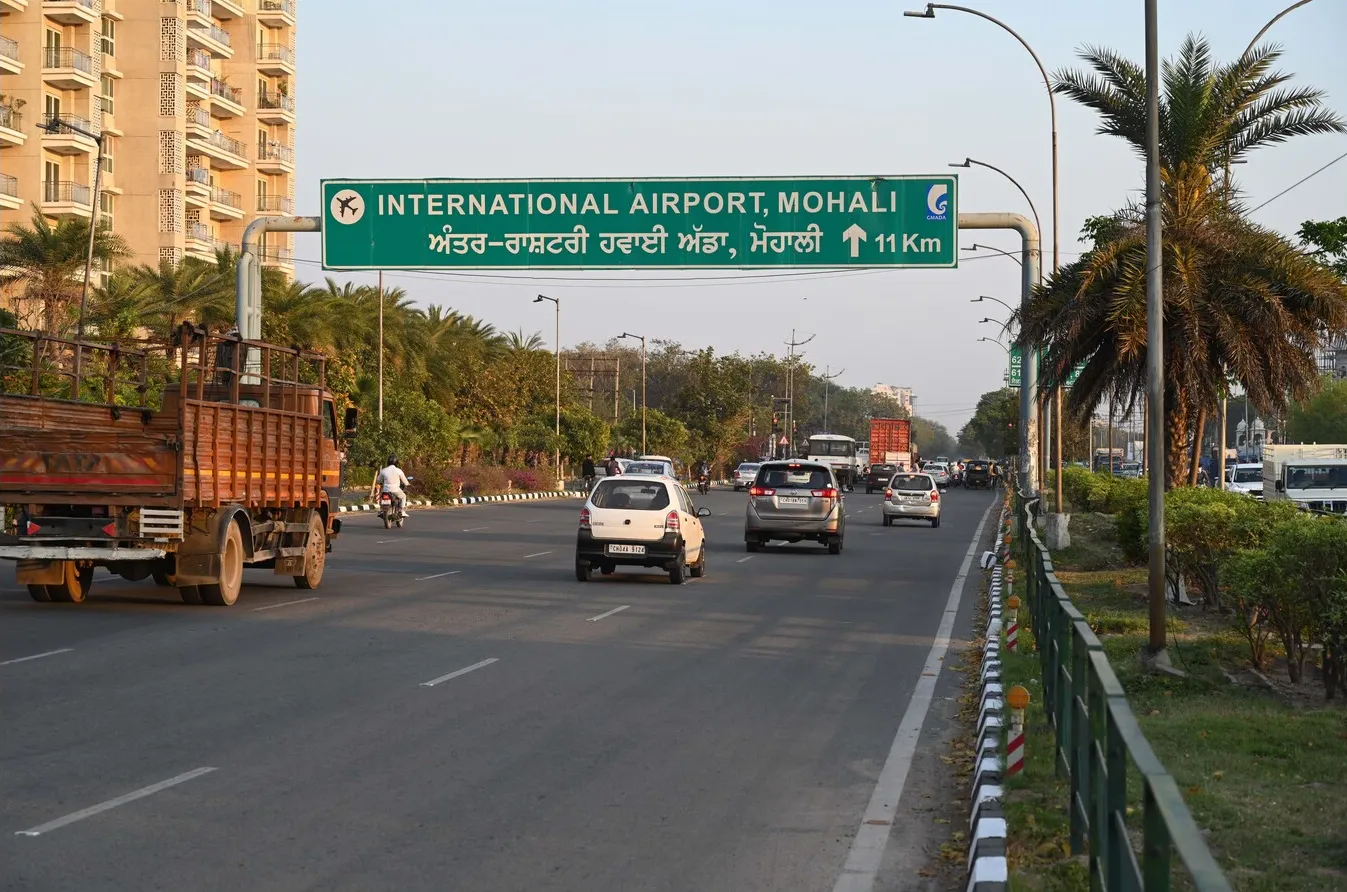
- Confusing the three Tricity jurisdictions. Applying Chandigarh UT rates or Mohali Punjab rules to a Panchkula property leads to under-stamping and SRO rejection. Panchkula runs on Haryana law.
- Skipping HSVP allotment verification. Most Panchkula plots sit on HSVP leasehold. Transfer conditions and NOC requirements can affect long-lease drafting.
- Filing at the wrong SRO. Kalka and Pinjore properties file at SRO Kalka, not SRO Panchkula. Misrouting delays registration.
- Missing the DHBVN meter transfer clause. Dakshin Haryana Bijli Vitran Nigam name transfers cost money and time. Silence on cost sharing invites the most common exit dispute.
- Treating notarisation as registration. A notary attests signatures only; it does not fulfil either stamping or SRO registration.
- Under-declaring rent to lower stamp duty. HARIS cross-references HSVP allotment and DHBVN records. Under-declaration invites penalties under the Indian Stamp Act as adopted in Haryana.
Why Landlords and Tenants in Panchkula Choose Housewise
Housewise has been serving Indian property owners since 2016. The Panchkula desk is set up for a market that runs on HSVP leasehold, Tricity cross-jurisdiction realities, and a professional-family tenant base.
- Haryana-briefed legal team across the Urban Rent Act 1973, HARIS workflows, and 2026 rate structure
- Doorstep biometric partners across every HSVP sector, Panchkula Extension, and Kalka-Pinjore
- Tricity portfolio handling for landlords with property across Chandigarh, Mohali, and Panchkula
- NRI licensor specialists for owners in the US, UK, Canada, Australia, and the Gulf
- Corporate lease workflow for Sector 5 IT Park and Chandigarh-linked employer arrangements
Have Properties Beyond Panchkula?
Housewise operates nationwide. Explore Chandigarh, Mohali, Gurugram, Faridabad, Delhi, Jaipur, and Mumbai, or our nationwide service.
Ready to Get Your Panchkula Rent Agreement in 48 Hours?
Whether it is a Sector 20 family flat, a Sector 5 IT Park corporate arrangement, a PGI-adjacent medical corridor rental, or a Kalka-Pinjore weekend home, our Panchkula desk can start today. Share your details on the form above or via WhatsApp.
Frequently Asked Questions
Is a rent agreement mandatory in Panchkula?
Rent agreements in Panchkula are not legally required for 11-month tenancies but strongly recommended. Any lease crossing 12 months must be registered under the Registration Act 1908 at the local Sub-Registrar’s office.
What is the stamp duty on a Panchkula rent agreement in 2026?
Haryana charges 1.5% of the total rent for the tenure on leases up to 5 years. Registration fee is calibrated to the value and generally does not exceed Rs 15,000 in Panchkula.
Can I create a Panchkula rent agreement online without visiting the Sub-Registrar?
Yes. Housewise handles drafting, e-stamping via HARIS and SHCIL, Aadhaar biometric verification, and doorstep delivery entirely remotely. An 11-month lease requires no office visit at any stage.
Which laws govern rent agreements in Panchkula?
Panchkula agreements are governed by the Haryana Urban (Control of Rent and Eviction) Act 1973, the Registration Act 1908, and the Indian Stamp Act 1899 as adopted in Haryana. Model Tenancy Act remains unadopted.
What is HSVP, and how does it affect a Panchkula rent agreement?
HSVP (Haryana Shehri Vikas Pradhikaran), formerly HUDA, plans and allots most Panchkula sectors on leasehold. Its allotment terms and NOC requirements often need reference in the agreement for long-term arrangements.
Is an Aadhaar-based e-signature valid on a Panchkula rent agreement?
Yes. Aadhaar eSign carries the same legal weight as a wet-ink signature under Section 3A of the IT Act 2000. Punjab and Haryana High Court admits eSign agreements as primary evidence in tenancy matters.
Does Panchkula follow the same rules as Chandigarh and Mohali?
No. All three sit in the Tricity but under different jurisdictions. Chandigarh is a UT with its own schedule; Mohali follows Punjab; Panchkula follows Haryana. Stamp duty and portals differ across all three.
Can NRIs execute a Panchkula rent agreement remotely?
Yes. NRIs from the US, UK, Canada, Australia, and the Gulf regularly execute Panchkula agreements through Housewise using Power of Attorney or direct Aadhaar-based e-signing. Local tenant biometrics is handled in the city.
Under which Sub-Registrar does a Panchkula property fall?
Panchkula properties fall under SRO Panchkula in the district office, which is distinct from the Chandigarh and Mohali Sub-Registrars. Kalka and Pinjore properties instead route through SRO Kalka.
What documents are needed for a Panchkula rent agreement?
Aadhaar and PAN for both parties, latest DHBVN electricity bill, HSVP allotment letter or sale deed, and two passport photographs each. NRIs additionally supply a passport with a visa page and address proof.